
Pre-Terminated Drop Cables: How Connector Choices Affect FTTH Installation Speed
Date: 2026-09-11
Pre-Terminated Drop Cables: Connector Choices That Speed Up FTTH Installation
Learn how SC APC/UPC, Fast Connect, OptiTap, hybrid, and bullet connectors affect FTTH drop cable installation speed, labor requirements, and deployment flexibility.

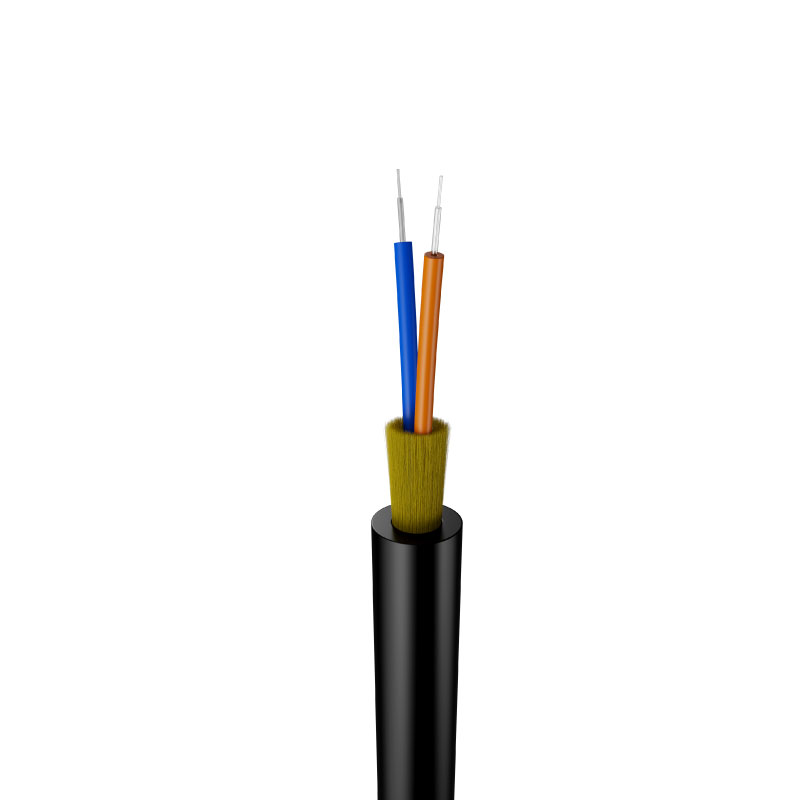
A pre-terminated drop cable saves the most time when both ends match the network exactly.
That sounds obvious, but connector selection is often treated as a small detail. In practice, the connector determines how the cable interfaces with the distribution terminal, the outdoor closure, the building entry point, and the ONT. Choose the right interface, and installation becomes a simple plug-and-play operation. Choose the wrong one, and the crew may need adapters, replacement jumpers, field termination, or even a re-engineered cable.
For FTTH operators, contractors, and distributors, connector choice affects four things directly:
- Installation speed
- Labor skill requirements
- Inventory complexity,
- Long-term maintenance flexibility.
This guide explains how different pre-terminated drop cable connectors affect deployment speed and how to choose the right option for each FTTH scenario.
Why Pre-Termination Improves Installation Speed:
A conventional field-spliced drop cable requires several on-site steps: cable preparation, stripping, cleaving, splicing, organizer placement, inspection, and testing. A pre-terminated cable removes most of that work before the cable reaches the site.
With a factory-terminated solution, the installation sequence becomes much simpler:
- Pull the cable to the subscriber or terminal.
- Secure and manage the cable.
- Plug the connector into the matching port.
- Confirm optical continuity.
This guide explains how different pre-terminated drop cable connectors affect deployment speed and how to choose the right option for each FTTH scenario.
Pre-termination speeds up deployment when the connector and cable structure are standardized for the project. If every crew encounters the same interface at the same point in the network, training becomes easier and installation becomes repeatable.
If every crew encounters the same interface at the same point in the network, training becomes easier and installation becomes repeatable.
Main Connector Choices for Pre-Terminated Drop Cables
Different FTTH architectures use different interfaces between the distribution network and the final subscriber connection. The most common options include SC APC/UPC, Fast Connect, OptiTap, hybrid 2-in-1 or 3-in-1 connectors, and bullet-style connectors.
1. SC APC/UPC Connectors
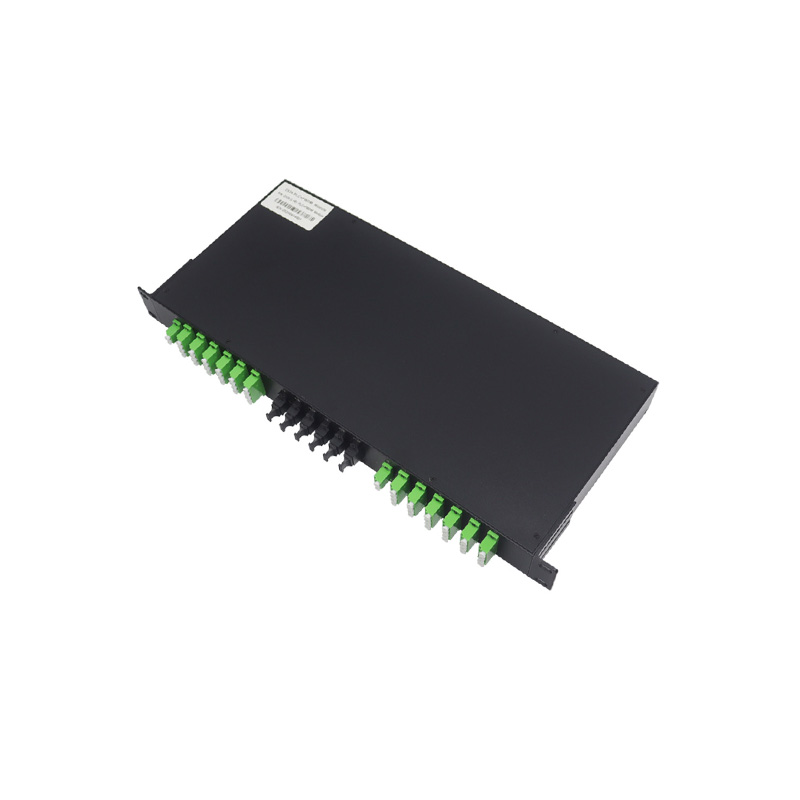
SC remains one of the most widely recognized fiber connector formats. It is compact, push-pull, and easy for technicians to handle.
SC APC uses an angled physical contact endface, typically 8 degrees, to reduce reflected optical power. It is often preferred in PON, CATV, and other networks where return loss matters.
SC UPC uses an ultra-physical contact polish and is common in many data, access, and indoor termination scenarios.
Why SC is fast to install
- Familiar interface for installation teams
- Direct connection to ONTs, terminal adapters, and patch panels
- Simple push-pull mating
- Widely available accessories and adapters
Best applications
- FTTH subscriber drops
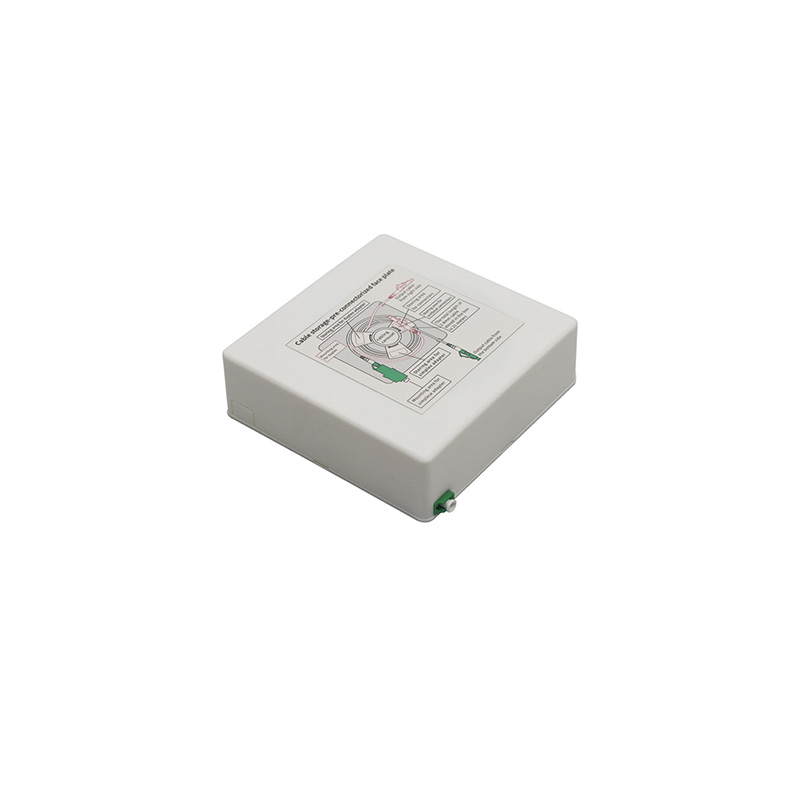
- Indoor termination boxes
- Standard ONT interfaces
- Projects requiring a widely recognized connector format
The main planning issue is polarity and polish type: APC and UPC interfaces should not be mixed directly. Ordering the correct variant up front prevents avoidable rework.
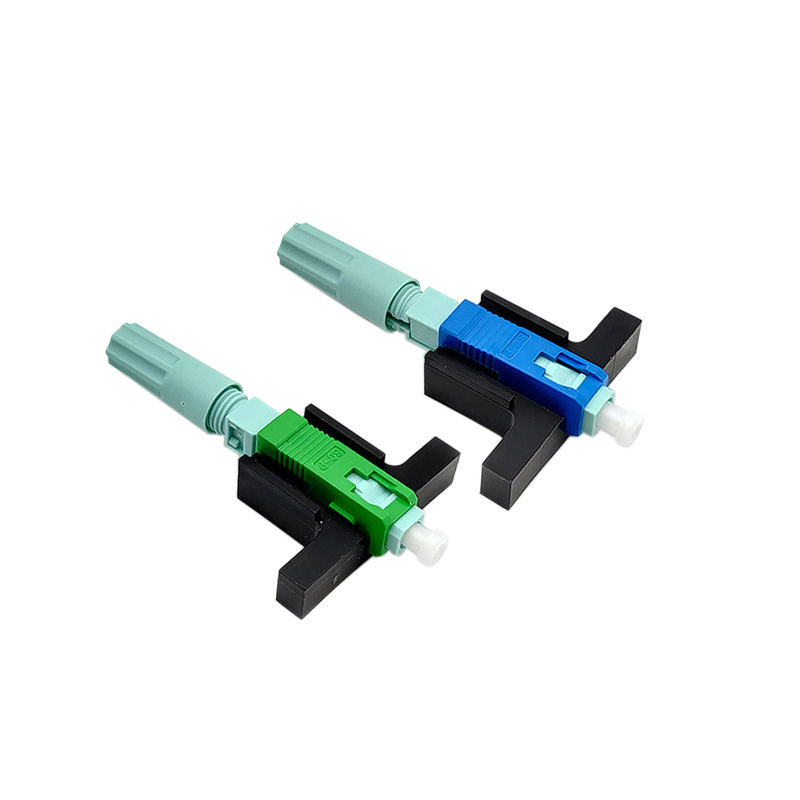
2. Fast Connect Solutions
Fast Connect interfaces are designed to terminate a fiber quickly without a fusion splicer. Depending on the design, they may use a pre-polished ferrule, mechanical splice element, or integrated assembly method.

Why Fast Connect saves time
- Reduces dependence on fusion splicing equipment
- Useful when cable length or termination point is confirmed only on site
- Helps with urgent restoration and service activation
- Can shorten the learning curve compared with full field polishing
Fast Connect does not replace a properly engineered pre-terminated cable in every case, but it gives project teams an important middle ground: faster than conventional splicing, while still allowing flexibility in final cable length.
Best applications
- FTTH repair work
- Last-minute subscriber turns
- Sites where the final termination position is uncertain
- Small deployments where fusion splicing is inefficient
The key is proper fiber preparation. Even the best connector performs poorly if the fiber is stripped, cleaned, or cleaved incorrectly.
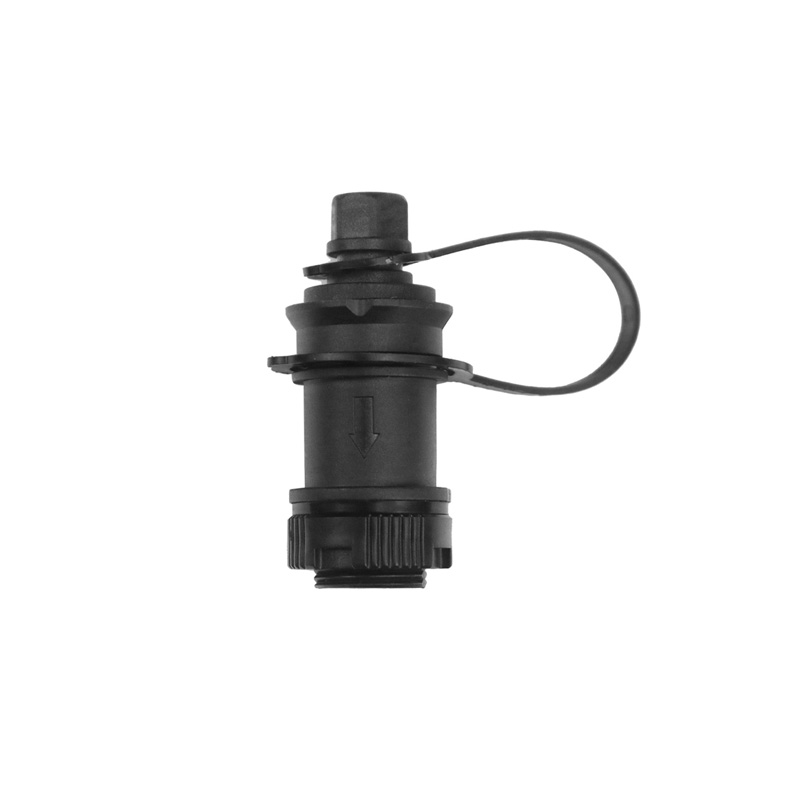
3. OptiTap-Style Hardened Connectors
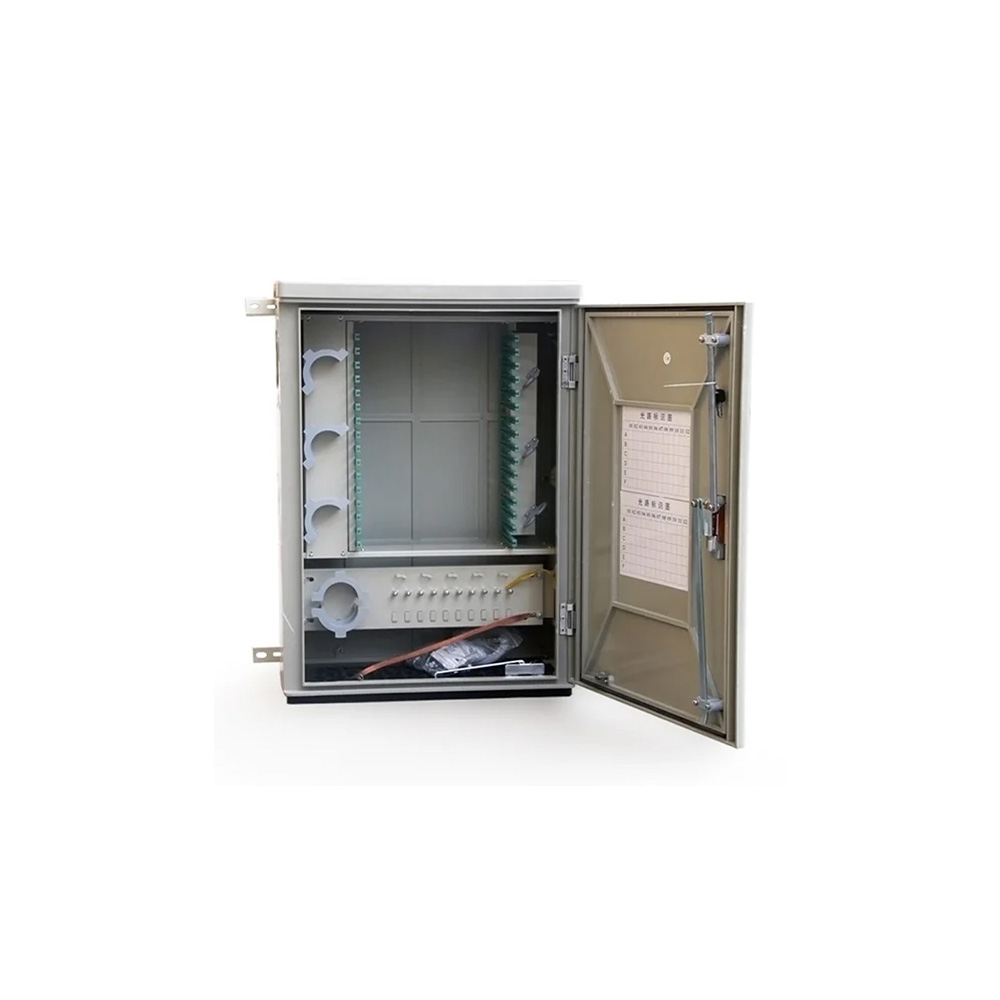
In outdoor FTTH networks, the connector must often do more than make an optical connection. It may also need to withstand moisture, dust, UV exposure, and repeated access in outdoor terminals.
OptiTap-style hardened connectors are designed for these environments. They provide a protected interface for outdoor distribution points and can simplify the transition between the outside plant and the final drop.
Why OptiTap improves deployment speed outdoors
- Eliminates the need for a separate outdoor splice in many designs
- Supports faster connection at hardened terminals
- Reduces closure preparation work
- Improves handling in exposed or difficult installation environments
Best applications
- Outdoor FTTH terminals
- Aerial or buried distribution points
- MDU entry terminals
- Projects requiring hardened, environmentally protected interfaces
Because OptiTap and related hardened connector systems may be proprietary or interface-specific, project planners should confirm compatibility across the terminal, adapter, and drop cable before standardizing the design.
4. 2-in-1 and 3-in-1 Hybrid Connectors
Hybrid connector designs provide more than one termination path in a single product concept. For example, a drop cable assembly may support combinations such as:
- Fast Connect + OptiTap
- Fast Connect + OptiTap + Slim
- Multiple terminal interfaces for different deployment stages
This approach is especially useful when a project includes different terminal types but wants to simplify cable procurement.
Why hybrid connectors reduce project delays
- Reduce the number of separate cable variants
- Make it easier to handle mixed terminal environments
- Help contractors adapt to site changes without redesigning the full cable
- Lower the risk of bringing the wrong connector to the job site
Best applications
- Rollouts with multiple terminal suppliers
- Mixed indoor/outdoor FTTH designs
- Projects phased across different network areas
- Distribution networks where the final termination method may change
Hybrid solutions should be specified carefully. The benefit is flexibility, but the design still needs to be tested and documented so installation crews know which interface is used at each endpoint.
5. Bullet Connectors
Bullet-style connectors are compact circular interfaces often selected where space is limited or where a low-profile termination is required.
Why bullet connectors can speed up installation
- Compact size helps in crowded terminals
- Simple mating structure
- Useful where a smaller connector footprint is needed
- Can simplify routing inside enclosures or compact equipment spaces
Best applications
- Compact distribution boxes
- Space-constrained terminals
- Custom indoor termination solutions
- Equipment interfaces designed for small-form circular connectors
The main consideration is standardization. Bullet connectors are often more application-specific than SC interfaces, so compatibility should be verified before mass deployment.
Typical Installation Speed Comparison
Actual times vary by crew experience, weather, cable routing, terminal design, and testing requirements. For planning purposes, the following comparison shows the general speed difference between common termination methods.
| Termination Method | Typical Installation Characteristic | Relative Speed | Main Requirement |
|---|---|---|---|
| Factory-terminated SC APC/UPC | Plug directly into matching port | Very fast | Correct connector type and polish |
| Hybrid 2-in-1 / 3-in-1 | Select the required interface for the terminal | Very fast | Clear installation instructions |
| OptiTap-style hardened connector | Connect at protected outdoor terminal | Fast | Hardened terminal compatibility |
| Bullet connector | Connect in compact or custom enclosure | Fast | Application-specific mating port |
| Fast Connect | Terminate quickly without fusion splicing | Fast to moderate | Proper stripping, cleaning, and cleaving |
| Fusion splice | Splice and test on site | Slow | Fusion splicer and trained technician |
The fastest field installation is usually a properly specified factory-terminated cable with a standardized interface. Fast Connect provides strong flexibility when the endpoint is not fully known in advance, but it still requires careful fiber preparation.
How Connector Choice Affects Total Project Cost
Installation speed is only part of the equation. Connector choice also affects total project cost through labor, tools, testing, rework, and spare-parts management.
Lower equipment dependency
A fully pre-terminated drop network can reduce the need for fusion splicers, cleavers, splice trays, and specialized testing workflows at each work site. Crews can focus on cable routing and connection rather than fiber preparation.
Lower skill dependency
Fusion splicing requires trained technicians. Pre-terminated systems can often be installed by broader field teams, which helps contractors scale labor more easily.
Fewer wrong-part issues
If a project uses multiple connector variants without a clear plan, crews may arrive with the correct cable length but the wrong interface. Hybrid or carefully standardized connector choices reduce that risk.
Better quality consistency
Factory-terminated assemblies can be inspected and tested before shipment. This does not eliminate field testing, but it reduces variability from technician to technician.
How to Choose the Right Connector for Your FTTH Project
Use the following selection framework before placing a bulk order.
1. Identify the equipment interface
Start with the equipment and terminal ports. Confirm whether the endpoint requires SC APC, SC UPC, hardened OptiTap-style, slim, bullet, or another interface.
2. Match the deployment environment
Outdoor distribution points may need hardened connector protection. Indoor ONT connections often favor familiar low-cost interfaces such as SC.
3. Decide how standardized the network should be
Large FTTH rollouts benefit from fewer variants. If the network includes multiple terminal types, hybrid connector solutions may reduce inventory complexity.
4. Consider future maintenance
A connector that is fast to install should also be easy to replace. For subscriber drops, maintenance access and spare-part availability matter as much as initial installation time.
5. Confirm compatibility before volume production
Connector labels alone are not enough. Confirm housing dimensions, adapter type, polish type, port orientation, environmental rating, and mechanical requirements.
Recommended Selection by Application
| Application | Recommended Connector Direction |
|---|---|
| Standard indoor ONT connection | SC APC or SC UPC, depending on port type |
| Outdoor hardened terminal | OptiTap-style connector |
| Compact terminal or enclosure | Bullet or slim connector |
| Mixed terminal environments | 2-in-1 or 3-in-1 hybrid connector |
| Repair or uncertain final endpoint | Fast Connect solution |
| High-volume standardized rollout | Factory-terminated dedicated interface |