
Modern FTTX Deployment Guide: Insights from China Leading OND Solution Provider Carefiber
Date: 2026-06-25
Recent market intelligence indicates that the global FTTX market is projected to reach a valuation of approximately $23.5 billion by 2027, driven by a compound annual growth rate exceeding 6% as nations accelerate their digital transformation. As fiber-to-the-x projects scale globally to meet this demand, the focus shifts from basic connectivity to the long-term reliability of the Optical Distribution Network (ODN). Selecting a China leading OND solution provider ensures that the passive infrastructure—the silent backbone of the network—is engineered for both current high-capacity requirements and future scalability. Carefiber Optical Technology Co., Limited provides the technical foundation for these deployments, offering a comprehensive suite of optical cables and connectivity hardware designed to streamline the transition from central offices to end-user premises.
Strategic Planning: ODN Layered Design and Product Selection
A resilient ODN relies on a structured, hierarchical model that separates the network into the feeder, distribution, and access segments. Each layer requires specific physical characteristics to withstand environmental stressors while maintaining signal integrity. In the feeder segment, which connects the central office to the primary distribution points, high-capacity cables like ADSS (All-Dielectric Self-Supporting) or direct-buried armored cables are standard. Carefiber produces a full range of these cables, supporting an annual output of 3.5 million core kilometers, which allows for consistent supply chains in large-scale regional rollouts.
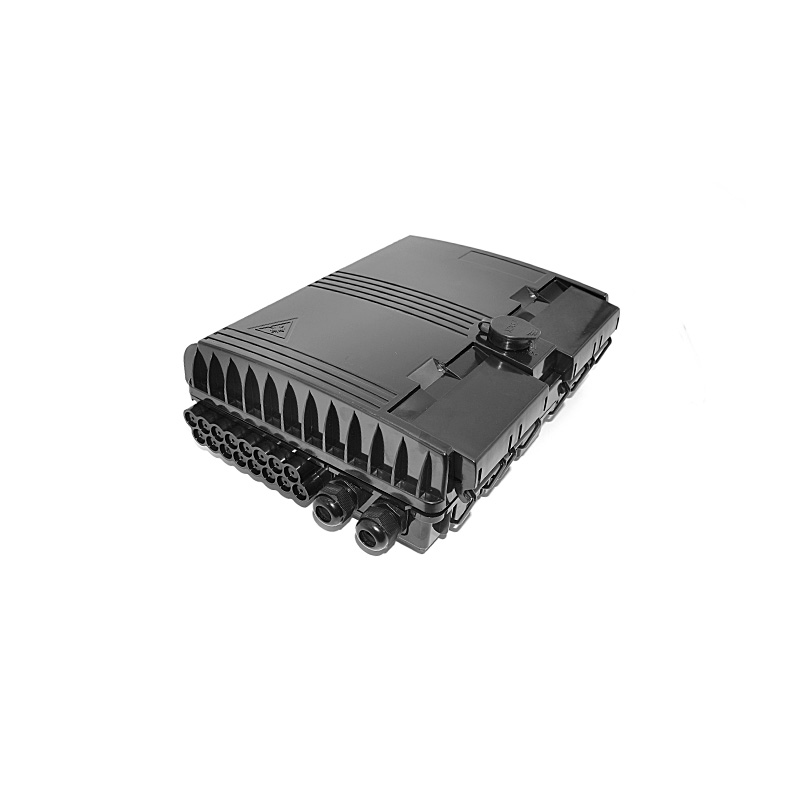
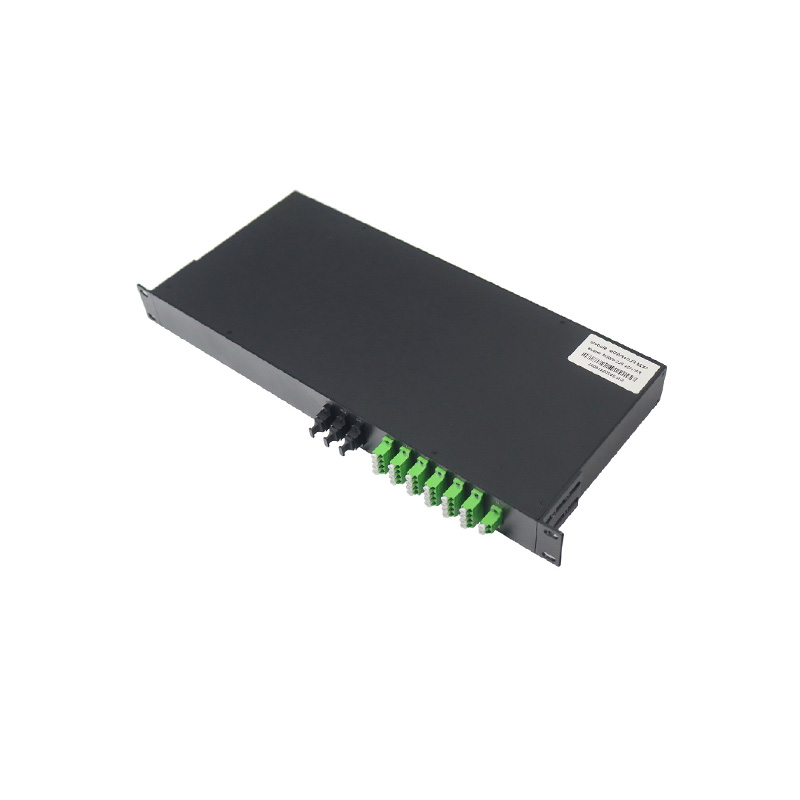
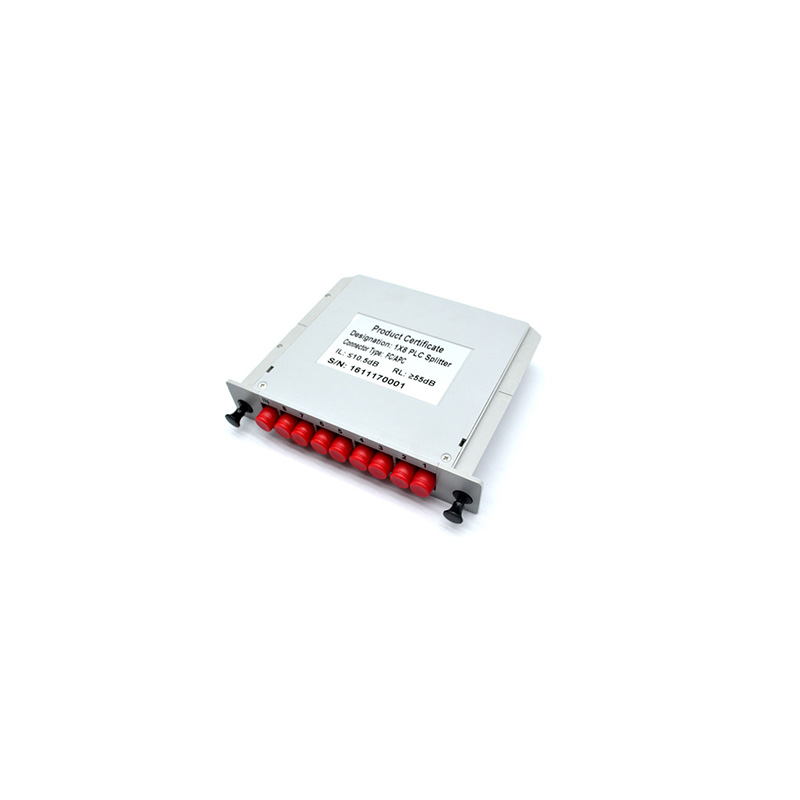
The distribution layer acts as the bridge, where optical distribution frames (ODF) and cross-connection cabinets manage the transition to smaller fiber counts. Here, the choice of PLC splitters is critical. For high-density urban areas, compact splitters integrated into pole-mounted or wall-mounted boxes optimize space. In contrast, rural deployments might favor a more distributed splitting architecture to minimize the amount of fiber required to reach scattered households. Carefiber Optical Technology Co.,Limited supports these diverse needs by manufacturing customized indoor and outdoor cabinets that house these components securely against moisture and temperature fluctuations.
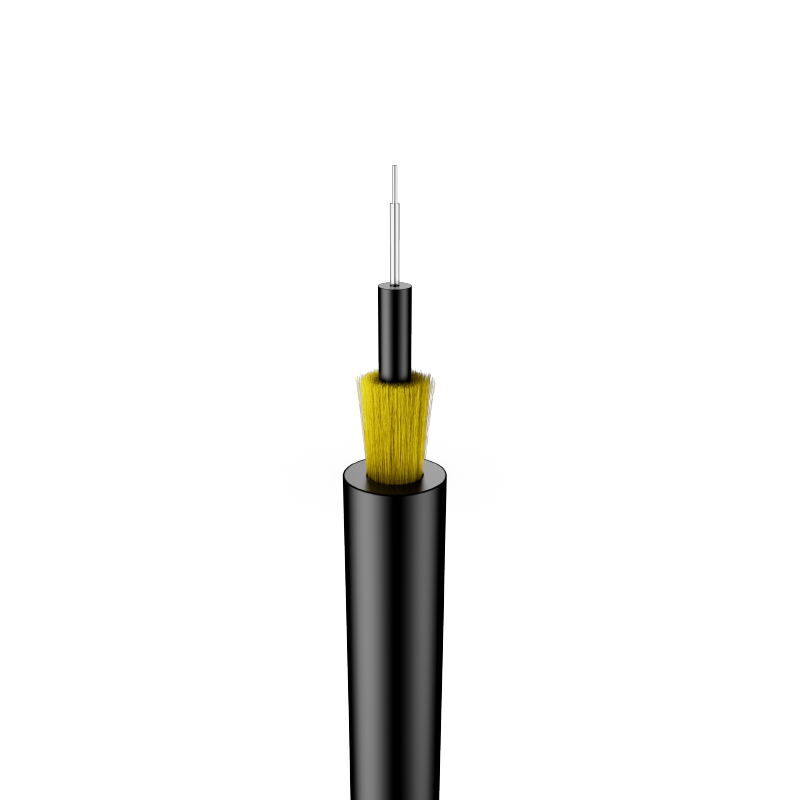
The final access layer, or the "last mile," involves the connection to the subscriber. Using G.657.A2 bend-insensitive fibers in indoor building distribution cables helps installers navigate tight corners in residential hallways without significant signal loss.
Carefiber provides specialized butterfly cables and drop cables that simplify this process, ensuring that the physical link to the Optical Network Unit (ONU) remains stable over years of service.
Efficiency Improvements: Pre-Connected Systems and Field Termination

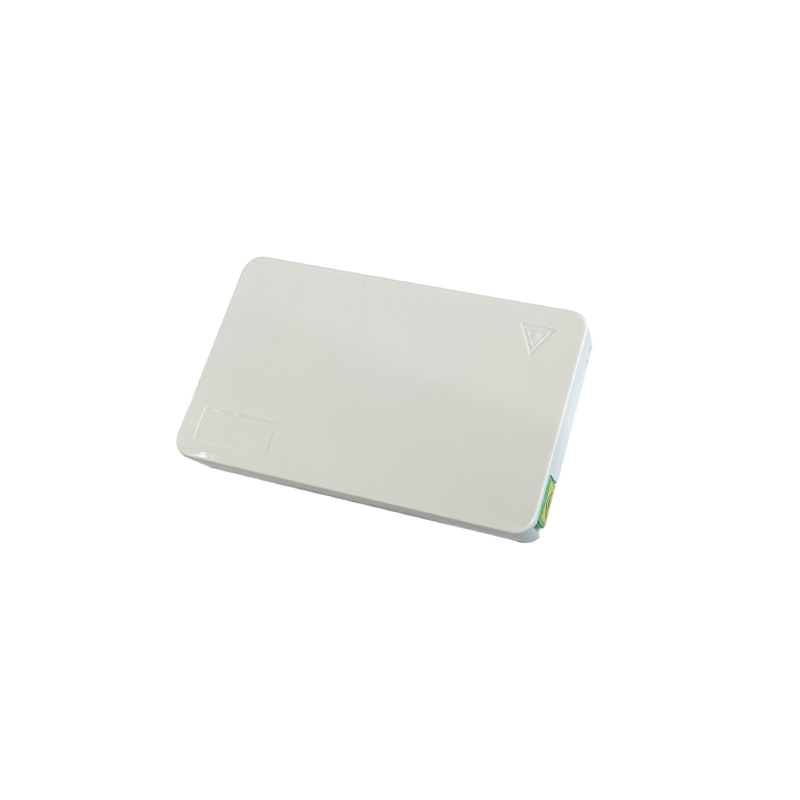
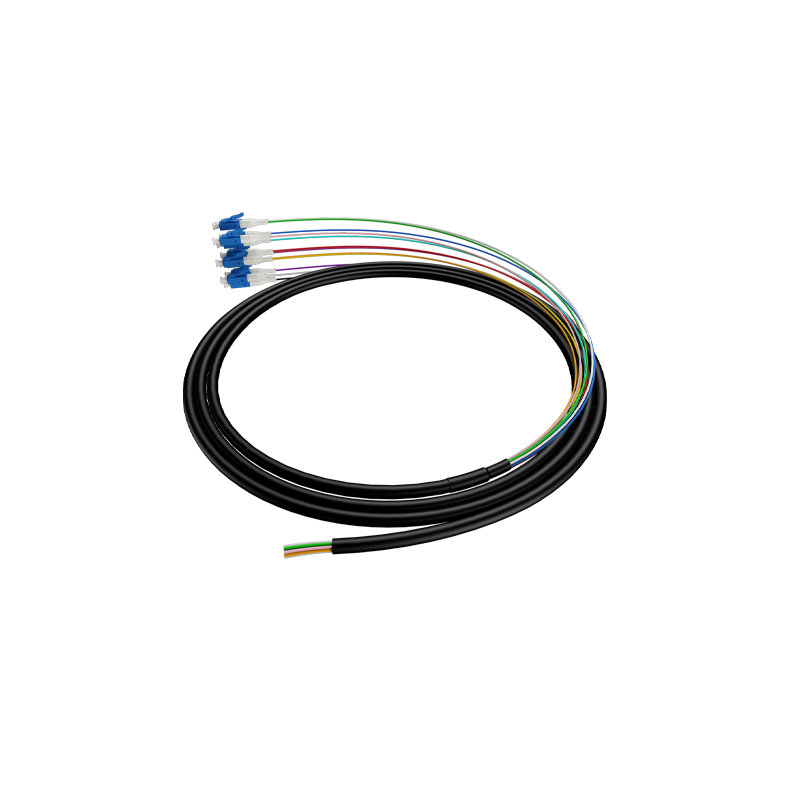
Traditional fiber deployment often hits a bottleneck during the splicing phase. Field splicing requires skilled technicians and controlled environments, which can slow down progress in adverse weather or complex architectural settings. To address this, many operators now utilize pre-connected systems. These systems use factory-terminated and tested cables and distribution boxes, which significantly reduce the time spent on-site. By using pre-terminated distribution boxes from an OND solution provider, teams can complete installations with basic mechanical assembly rather than complex fusion splicing.
For scenarios where field termination remains necessary, the quality of fiber optic fast connectors determines the link's performance. Carefiber produces over 35 million connectors annually, focusing on minimizing insertion loss and maximizing return loss. For instance, in FTTA (Fiber to the Antenna) base station deployments, waterproof jumpers and MPO/MTP connectors provide the ruggedness required for outdoor 5G infrastructure. Choosing the right connector—such as an SC/APC for standard residential use or high-density MPO for data centers—allows operators to match the hardware to the specific technical demands of the environment.
Quality Standards: Reliability Testing and Certification
The longevity of an FTTX network is only as strong as its weakest component. Because passive components remain in the field for decades, they must comply with rigorous international standards. Carefiber ensures its products meet CE, RoHS, and ANATEL certifications, which provides a baseline for safety and environmental resistance. These certifications confirm that materials like the jackets on ADSS cables or the plastic used in fiber distribution boxes can withstand UV radiation and extreme thermal cycling.
Vertical integration plays a significant role in quality control. By manufacturing the core components in-house, including PLC splitters and fiber jumpers, Carefiber Optical Technology Co.,Limited maintains consistency across the entire product line. This reduces the risk of interoperability issues that sometimes occur when mixing components from different manufacturers. Systematic testing for IP65 or IP68 waterproof ratings ensures that outdoor enclosures prevent water ingress, which is a common cause of fiber degradation and signal failure in humid or coastal climates.
Cost Optimization: TCO Control Strategies
Evaluating the Total Cost of Ownership (TCO) requires looking beyond the initial Capital Expenditure (CAPEX) to the long-term Operational Expenditure (OPEX). While high-quality components might represent a specific initial investment, they reduce the frequency of truck rolls for repairs. Efficient space utilization also lowers costs. For example, high-density 48-core compact optical cross-connection cabinets allow for more subscriber connections within a smaller footprint, reducing the cost of real estate or pole rentals.
A China leading OND solution provider can also help optimize the splitting ratio. Using a mix of centralized and distributed splitting can lower the initial fiber investment. Furthermore, selecting durable materials like anti-UV ADSS cables prevents premature cable aging, extending the network's lifecycle and delaying the need for replacements. This strategic approach to material selection ensures that the network remains cost-effective throughout its operational life.
Conclusion
Successful FTTX deployment is a balance of meticulous planning, high-quality manufacturing, and efficient field execution. By focusing on a structured ODN architecture and leveraging pre-connected technologies, operators can build networks that are both reliable and scalable. As a China leading OND solution provider, Carefiber continues to support the global telecommunications industry through vertical integration and a commitment to international quality standards. The organization specializes in end-to-end passive infrastructure, ensuring that every component—from robust feeder cables to precision indoor distribution boxes—contributes to a resilient, low-maintenance network capable of supporting the multi-gigabit demands of tomorrow. For more information on comprehensive fiber solutions, visit the official website.
For more information on ODN solutions and product specifications, please visit: https://www.carefibergroup.com/