
TÜV Certified Precision: The Role of Carefiber as a China High Quality PLC Splitter Factory
Date: 2026-06-18
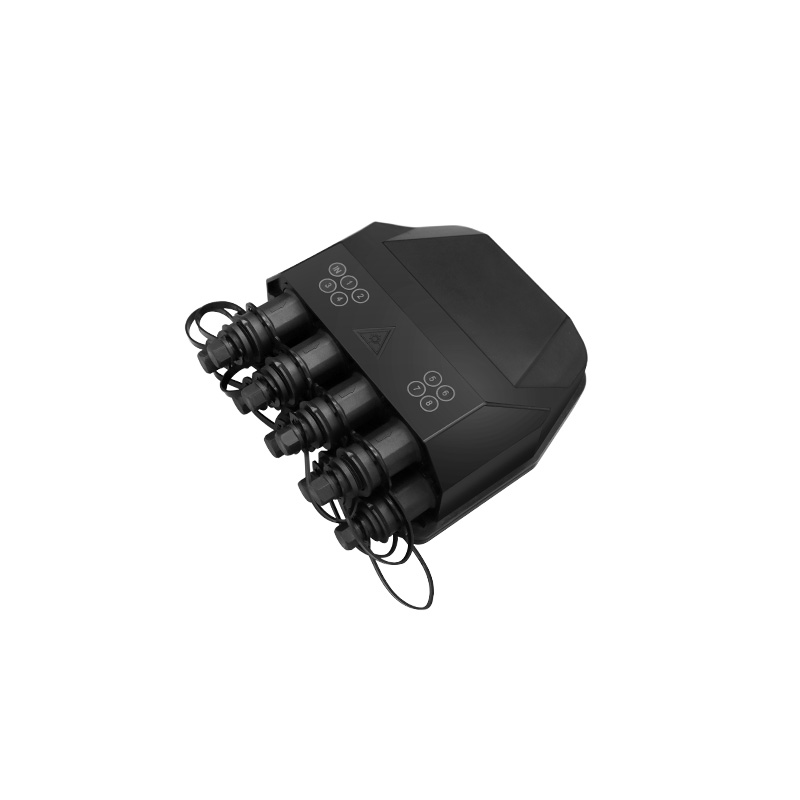
How does a fiber optic network maintain seamless signal integrity when routing bandwidth from a single central office to thousands of individual subscribers? As modern fiber-to-the-home networks expand into increasingly diverse environments, the passive components directing this light must perform with absolute consistency over decades. At the core of these networks lies the planar lightwave circuit splitter, a component manufactured by specialized facilities like Carefiber Optical Technology Co.,Limited. Operating as a prominent China high quality PLC splitter factory, Carefiber manufactures passive optical components that undergo rigorous international testing to ensure performance under real-world conditions. By aligning its manufacturing processes with stringent technical requirements, Carefiber provides the global telecommunications sector with reliable optical distribution components.
The Value of TÜV Certification in Optical Communications
In the global optical communication marketplace, technical specifications alone rarely suffice to secure long-term contracts with major telecommunications operators. Independent verification acts as a primary tool for establishing reliability. Certification from TÜV, a globally recognized third-party testing and assessment organization, serves as a comprehensive validation of a product's safety, quality, and compliance with international standards. For passive optical components, which must endure diverse climate conditions for 20 to 25 years, this external verification offers a clear baseline of performance.
Within the specific domain of PLC splitters, TÜV testing extends far beyond basic structural or material inspections. It subjects components to demanding environmental stress tests, including prolonged damp heat exposure, rapid temperature cycling, and precise mechanical vibration testing. These evaluations simulate decades of field operation in a matter of weeks. Because major telecommunications providers routinely demand verifiable performance data, utilizing a TÜV-certified PLC splitter factory allows network planners to accelerate procurement timelines and reduce the risk of unexpected field failures.
Manufacturing Traceability: From Chip Alignment to Finished Enclosure
The production of high-performance passive devices requires strict adherence to precise manufacturing protocols. At the production facilities of Carefiber Optical Technology Co.,Limited, the manufacturing sequence for a PLC splitter follows established industrial guidelines. The process begins with the alignment and coupling of the optical chip to the fiber array. This critical step requires micrometer-level accuracy to prevent elevated insertion loss. By maintaining strict control over the alignment machinery and utilizing specific UV-curable adhesives, Carefiber ensures that the optical path remains stable across varying operational temperatures.
A primary objective during this manufacturing stage is minimizing polarization dependent loss and insertion loss. When a device undergoes evaluation by independent bodies, these optical parameters are tested across the entire operational wavelength spectrum. Low polarization dependent loss ensures that the optical signal remains uniform regardless of the light's polarization state, which prevents downstream signal degradation.
Furthermore, the structural integrity of the finished product depends significantly on material selection. The protective housings, whether utilizing miniature stainless steel tubes or durable ABS cassettes, must comply with international environmental and safety standards. The materials used by Carefiber meet strict requirements regarding flame retardancy, resistance to thermal aging, and compliance with RoHS directives. This material discipline ensures that the splitters retain their structural characteristics when deployed in harsh outdoor enclosures or high-density indoor distribution frames.
Comprehensive Product Portfolios for Diverse Network Architecture
Different network topologies demand specific physical configurations of optical splitters. To address these distinct engineering requirements, Carefiber produces a varied selection of passive components designed for specific deployment scenarios.
1. Miniature and Steel Tube Splitters for Outdoor Environments
For outdoor deployments in Fiber-to-the-Home and Fiber-to-the-Curb architectures, space constraints and environmental protection represent primary challenges.
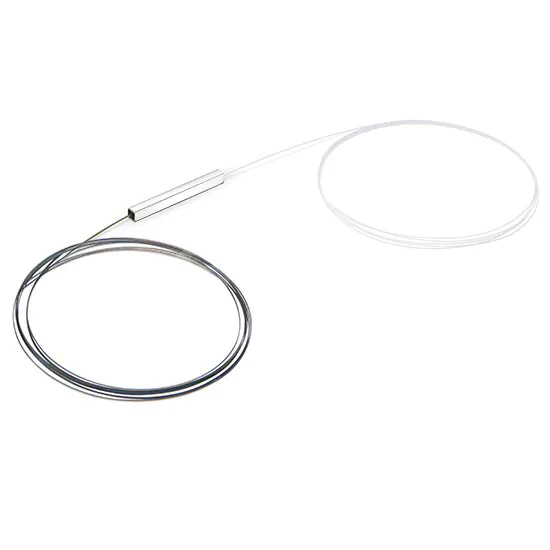
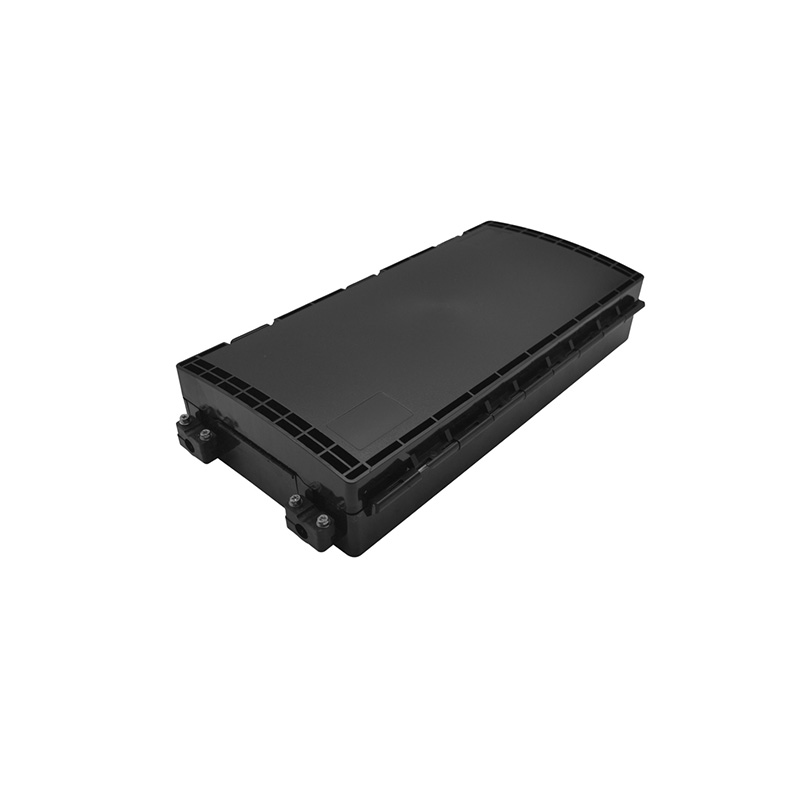
- Mini-type Splitters:These compact configurations, such as 1x64 blockless splitters, fit directly inside compact splice closures, pole-mounted distribution boxes, or wall-mount enclosures.
- Environmental Resistance:The steel tube design protects the internal optical chip and fiber array from ambient moisture and mechanical stress. These units undergo extensive thermal cycling tests to ensure consistent optical transmission from cold winter temperatures up to high summer heat.

2. Modular and Cassette Splitters for Data Centers and Central Offices
Indoor environments, such as central offices and high-density data centers, require organized fiber management and rapid scalability.
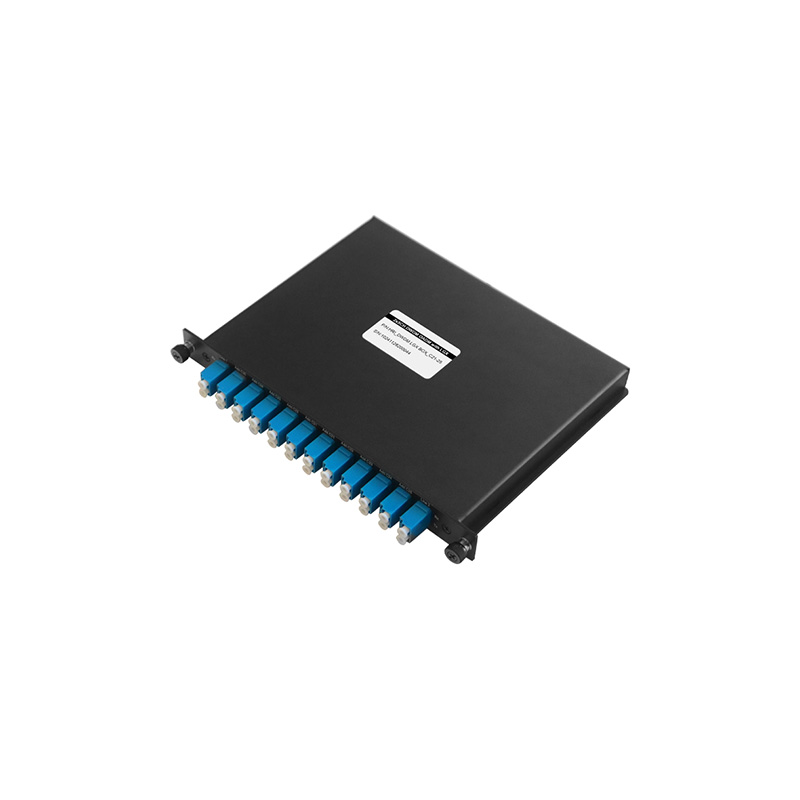
- Cassette and Plug-in Modules:The 2x32 cassette splitters and modular plug-in units provide standardized form factors that slide smoothly into standard Optical Distribution Frames.
- Thermal Performance:These designs facilitate orderly patch cord routing and support proper airflow within equipment racks, reducing the risk of accidental macro-bending during routine maintenance.

3. Specialized Wavelength Configurations for Network Monitoring
Modern optical networks often require specific wavelengths for active monitoring and maintenance without disrupting subscriber traffic. Carefiber manufactures splitters that support specialized testing windows, including the 1650nm wavelength used for in-service OTDR testing. The manufacturing process ensures low crosstalk and high isolation between the standard transmission bands and the monitoring window, allowing operators to assess network health while maintaining continuous service delivery.
Quality Standards as a Facilitator for International Manufacturing
In the highly competitive telecommunications supply chain, established quality standards help differentiate capable manufacturing facilities from entry-level producers. For Carefiber, maintaining verified production lines serves as an objective indicator of manufacturing quality. This consistent output helps clear technical barriers when exporting to demanding markets across Europe, the Middle East, and North America.

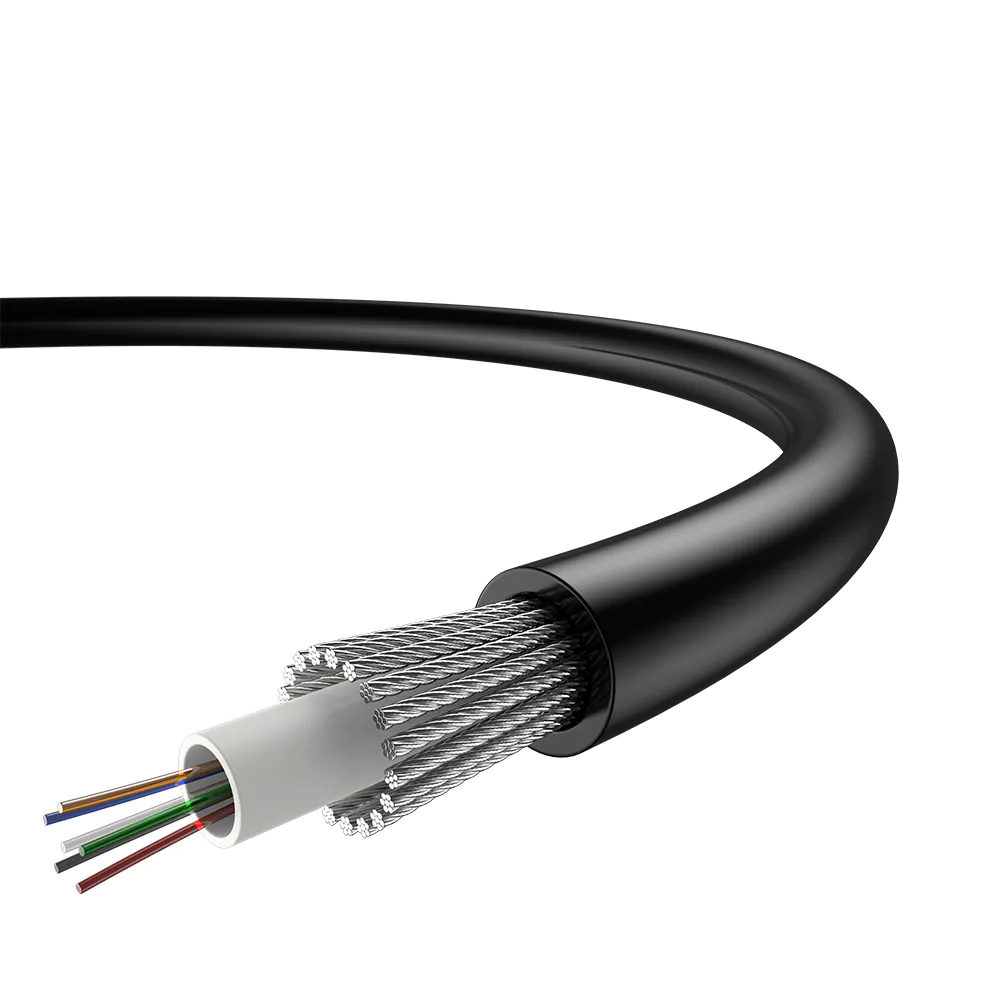
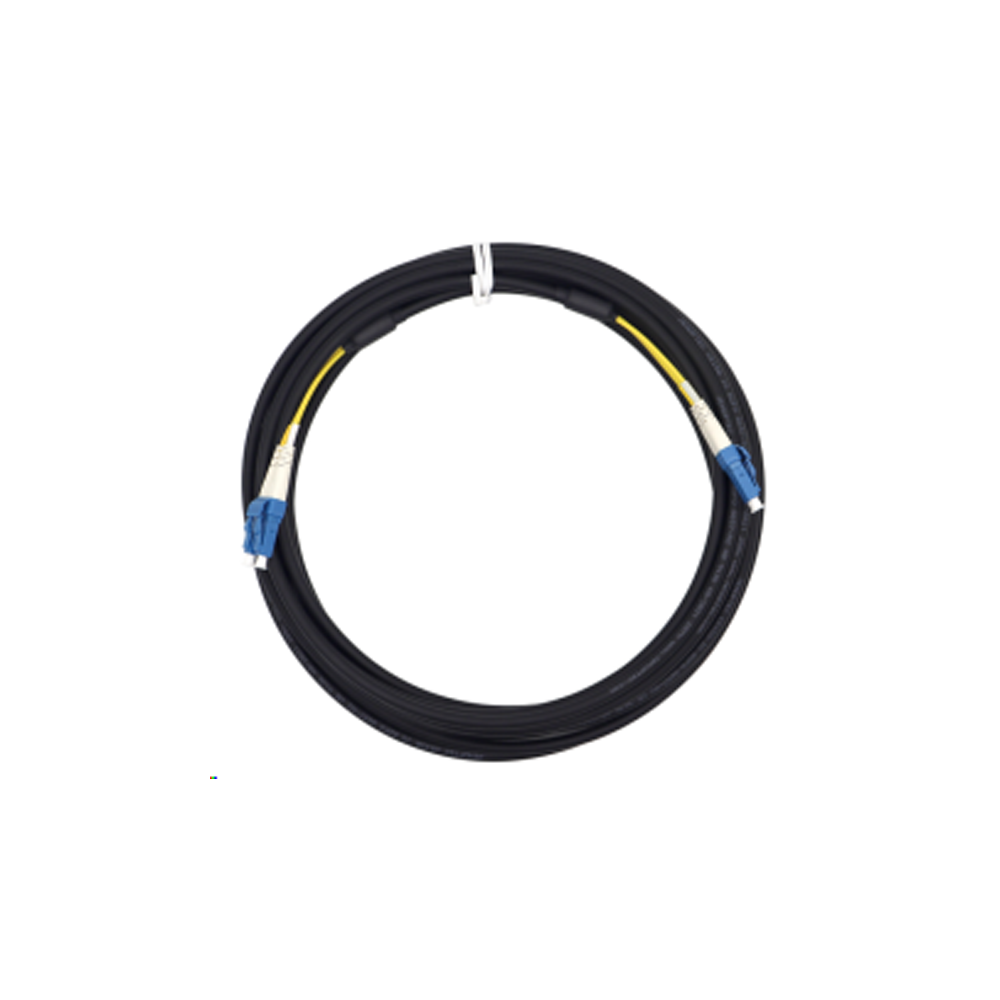
Operating a comprehensive production infrastructure allows Carefiber to integrate its components into broader FTTx deployment projects. The company maintains an annual output capacity of 3.5 million core kilometers of optical cables, including Air Blown Fiber cables, All-Dielectric Self-Supporting cables, direct buried, duct, and aerial cables, as well as indoor/outdoor drop cables and building distribution cables. This cable production works alongside an FTTX accessories manufacturing base capable of producing 35 million pieces of connector products annually, covering fiber optic fast connectors, patch cords, FTTA base station waterproof jumpers, and high-density MPO/MTP components for 5G data centers.
This integrated production model provides network operators with a traceable supply chain for complete optical links. When a single manufacturer produces both the distribution cabling and the internal splitter components, the compatibility between connectors, fibers, and splitters improves, lowering the total cost of ownership over the network's lifecycle.
Furthermore, this established technical framework supports accurate product customization. Whether a network design requires a non-standard split ratio, specific fiber lengths, or specialized connector combinations like SC/APC, LC/UPC, or heavy-duty waterproof housings, Carefiber implements these changes within its structured quality management system. The factory delivers modified configurations that match the mechanical and optical reliability of its standard product lines, giving network engineers the flexibility to solve specific routing challenges without compromising on component longevity.
Conclusion
As international demand for reliable broadband infrastructure continues to grow, the stability of the underlying passive optical networks relies entirely on component-level precision. Through systematic manufacturing controls, rigorous material selection, and adherence to international testing benchmarks, Carefiber Optical Technology Co.,Limited demonstrates the capabilities expected of a professional China high quality PLC splitter factory. By delivering consistent optical performance across a comprehensive product portfolio, the company supports the expansion of robust, high-capacity fiber optic networks worldwide.
For detailed technical specifications and product inquiries, please visit the official website: https://www.carefibergroup.com/